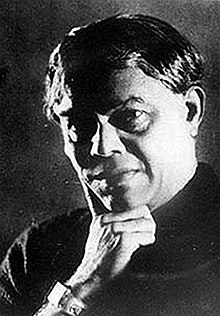
Kailasam was born in a Tamil Iyer brahmin family in Mysore, Kingdom of Mysore (now Karnataka). He belonged to the Mangudi Brahacharanam subsect. His father, T Paramasiva Iyer, was a revenue collector in the Government of Mysore who later became the Chief Justice of Mysore High Court.
Karna as the Voice of the Subaltern
The word subaltern was generally used in the British army who had lower rank, junior position. an officer in the British army below the rank of captain, especially a second lieutenant.
In later literature, the term "subaltern" has been employed to describe individuals who have been deprived of access to education and opportunities due to their birth, caste, or creed, placing them in a disadvantaged position within society, as perceived by the elite class. These marginalized individuals often lacked fundamental freedoms, such as the ability to speak freely, pursue knowledge, and access basic facilities. During the era of British colonization, when the British Empire extended its influence over significant parts of the world under the banner of "civilizing the uncivilized," the populations subjected to colonial rule, whose fundamental rights were curtailed, were also referred to as "subalterns." This term encapsulates the notion of those who were oppressed, silenced, and disenfranchised during the colonial period. Ranjit Guha's written a book on subaltern.
Also the image of class considers to us about division of class system in our society.
In the epic Indian tale of the Mahabharata, Karna stands out as a compelling character who can be seen as the voice of the subaltern. The term "subaltern" refers to individuals or groups in society who are marginalized, oppressed, or excluded from positions of power and privilege. Karna's story embodies many aspects of the subaltern experience and serves as a poignant representation of social injustice, identity, and resilience.
Social Outcast and Birth:-
Karna's story begins with his birth to Queen Kunti, who was not married at the time. Fearing societal judgment, she set her newborn son afloat in a river, leading him to be adopted by a low-caste charioteer. Karna's birth as a result of a hidden affair between a royal and a low-caste individual immediately places him in the margins of society. His identity is concealed, and he is denied the privileges associated with his royal lineage.
Struggles of Identity:-
Throughout his life, Karna grapples with his identity. He is well aware of his royal
heritage but is unable to claim it openly due to the societal hierarchy that values birthright above all else. This constant struggle to assert his identity and gain acceptance within the Kuru court reflects the experiences of many subaltern individuals who are denied recognition and respect.
Friendship and Loyalty:-
Karna's loyalty to Duryodhana, the eldest Kuru prince, is a defining aspect of his character. Duryodhana, too, is often marginalized within the Kuru clan due to his questionable ethics and ambitions. Karna's unwavering friendship with Duryodhana illustrates the subaltern's willingness to align with those who are also excluded from the mainstream. It symbolizes the bonds that can form among marginalized individuals in the face of shared adversity.
Denied Opportunities:-
We can easily realize after watching this video that Karna wants to fights but just because he was not kshatriya he didn't fights with them. Also Karna's skills as an archer and warrior are unmatched, yet he is repeatedly denied opportunities to showcase his abilities. When he seeks to participate in the grand tournament held by the Kuru clan, he is initially rejected due to his low birth. This mirrors the barriers that many subaltern individuals face when they attempt to break free from societal constraints and demonstrate their talents.
Social Discrimination:-
Karna faces constant discrimination and humiliation from those who are part of the Kuru hierarchy. His low-caste origin is frequently used to degrade him, reflecting the prejudice and caste-based discrimination that persist in many societies. Karna's experiences of humiliation resonate with the daily struggles of subaltern individuals who confront prejudice and discrimination based on their social status.
Tragic Destiny:-
Karna's fate is marked by tragedy. Despite his exceptional skills and noble character, he is destined to suffer and eventually die on the battlefield. His tragic end reflects the unjust outcomes that can befall subaltern individuals who are denied opportunities and rights solely due to their social standing.
Legacy and Representation:-
Karna's character in the Mahabharata endures as a symbol of resilience and the voice of the subaltern. He challenges the rigid social hierarchy of his time and asserts his worth throuin the context of Karna's character in "The Curse of Karna" by T.P. Kailasam, there may be elements of moral conflict and the concept of "hamartia" that can be explored.
2) Is moral conflict and Hamartia there in Karna's Character?
1. Moral Conflict: Karna's character in the Mahabharata is often associated with moral conflict. He faces dilemmas related to his loyalty to Duryodhana, despite knowing that his actions may not always be morally justifiable. His support for Duryodhana, who is often portrayed as the antagonist in the epic, can be seen as a moral conflict. In Kailasam's adaptation, these moral conflicts may be further explored, providing insight into Karna's inner struggles and ethical decisions.
2. Hamartia:Hamartia is a concept from Greek tragedy that refers to a character's fatal flaw or error in judgment that leads to their downfall. While it's not a term directly used in the Mahabharata or adaptations like "The Curse of Karna," Karna's character can be analyzed in this context. His unwavering loyalty to Duryodhana, even when it leads to morally questionable actions, can be seen as a potential hamartia. This loyalty and his desire for recognition and acceptance may be viewed as aspects that contribute to his tragic fate.
It's essential to note that interpretations of Karna's character may vary depending on the adaptation and the perspective of the reader or viewer. Kailasam's portrayal of Karna may emphasize different aspects of his character and moral dilemmas, and the concept of hamartia can provide a framework for analyzing the tragic elements of his story.gh his actions and virtues. His story continues to resonate with audiences today, serving as a reminder of the enduring struggle for recognition, justice, and dignity that subaltern individuals face in societies around the world.
In conclusion, Karna's character in the Mahabharata serves as a powerful representation of the subaltern. His experiences of social exclusion, identity struggles, loyalty, discrimination, and tragic destiny reflect the challenges faced by marginalized individuals in society. Karna's enduring legacy as a heroic figure underscores the importance of recognizing the voices and stories of the subaltern in our collective narratives, highlighting their resilience and the need for social justice and inclusivity.
Rabindranath Tagore was a famous writer from India. He lived from 1861 to 1941. He wrote many things like poems, stories, and plays. He was so good at writing that he won a big prize called the Nobel Prize for Literature in 1913, which was a really big deal!
Tagore loved nature and talked about it in his poems. He also wrote about love and spirituality, which means thinking about deep, meaningful things. His writing was special because it could connect with people from India and all over the world. He was not just a writer, though; he was also a painter and a musician. He made beautiful art and music too.
People still love Tagore's work today because it feels very close to the heart and speaks about things that matter to all of us. So, he's an important figure in literature, and his writing continues to inspire people.
Background of novel:-
"The Home and the World," originally titled "Ghare-Baire" in Bengali, is a novel written by Rabindranath Tagore, one of India's most celebrated poets, writers, and thinkers. It was first published in 1916. The novel is set against the backdrop of India during the early 20th century, a period marked by significant political and social change.
Here is some background information to help you better understand the context of the novel:
1. British Colonial Rule:
During the time when the novel is set, India was under British colonial rule. The British Empire had established control over India, and the Indian subcontinent was divided into various provinces ruled by British administrators.
2. Swadeshi Movement:
The novel is deeply connected to the Swadeshi Movement, which was a part of India's struggle for independence from British colonialism. The term "Swadeshi" means "of our own country" in Sanskrit, and the movement encouraged Indians to boycott British-made goods and promote the use of Indian-made products. This movement aimed to promote self-reliance and independence from British economic exploitation.
3. Rise of Nationalism:
The early 20th century saw a surge in nationalist sentiment in India. People from various backgrounds and ideologies began to unite in their pursuit of freedom from British rule. Different leaders and groups had varying approaches to achieving this goal, ranging from non-violent resistance (Gandhi's philosophy) to more radical and militant forms of nationalism.
4. Rabindranath Tagore:
Tagore was a prominent figure in India's cultural and intellectual landscape during this period. He was not only a prolific writer and poet but also a philosopher and educator. His works often explored themes of nationalism, identity, and the clash between tradition and modernity.
5. Characters and Relationships:
The novel primarily revolves around three central characters: Nikhil, Bimala, and Sandip. Nikhil represents the rational, modern, and inclusive approach to nationalism. Bimala, his wife, experiences a transformation from a traditional, sheltered woman to someone who seeks personal and political independence. Sandip, a charismatic leader, represents a more radical and emotional form of nationalism. The complex relationships and interactions among these characters form the heart of the novel.
In "The Home and the World," Tagore uses the personal dilemmas and conflicts of the characters to explore broader themes of nationalism, individual freedom, and the tension between personal and political responsibilities. The novel provides a rich and nuanced portrayal of the social and political dynamics of the time, making it an important work of Indian literature and a reflection of the complexities of the struggle for independence.
Critical analysis the novel -
Rabindranath Tagore's novel "The Home and the World" is a powerful exploration of complex themes, including the interplay between tradition and modernity, the struggle for individual freedom, and the broader context of India's fight for independence from British colonial rule. Written in the early 20th century, this poem takes readers on a journey through the lives of its characters, Bimala, Sandip, and Nikhil, as they grapple with their personal desires and societal responsibilities.
At its core, the novel portrays the tension between two fundamental aspects of life: the home, symbolising tradition, stability, and domesticity, and the world, representing the external, ever-changing realm filled with new ideas and influences. This dichotomy is embodied in the characters of Bimnovel:-Sandip, and Nikhil.
Bimala, the protagonist of the novel, initially represents the traditional role of women in Indian society. She is confined to the home, where her primary duty is to maintain the sanctity of her household. However, as the narrative unfolds, we witness Bimala's transformation from a passive, obedient wife into a woman torn between her loyalty to her home and her burgeoning desire to engage with the world outside. This transformation mirrors the changing role of women in India during the early 20th century, as they began to assert their voices and agency beyond their domestic roles.
For further information about Bimla click on the link-
Sandip, on the other hand, is portrayed as a charismatic and politically active friend who symbolises the allure of the external world. He encourages Bimala to break free from her traditional constraints and join the nationalist movement, advocating for a new India. Sandip's character represents the radical and sometimes disruptive forces of change that were sweeping through India at the time. His persuasive charisma draws Bimala away from her domestic confines and into the tumultuous world of politics.
Nikhil, Bimala's husband, serves as a counterpoint to Sandip. He embodies the traditional values of love, compassion, and tolerance. Nikhil represents the idea of moderation and balance, advocating for peaceful coexistence amidst the growing turmoil of the nationalist movement. His character underscores the importance of maintaining a harmonious equilibrium between the home and the world, tradition and modernity.
The novel explores the inner conflicts within Bimala as she navigates her relationships with Sandip and Nikhil. Her attraction to Sandip represents the allure of change and excitement, while her connection with Nikhil symbolises her deep-rooted traditions and the comfort of her domestic life. Bimala's internal struggle mirrors the broader dilemma faced by many Indians at that time, torn between embracing the radical call for independence and preserving their cultural heritage.
One of the novel's central themes is the tension between individual desires and societal expectations. Bimala's journey highlights the challenges individuals face when they seek to break free from societal norms and expectations. Her inner turmoil reflects the broader struggle for individual freedom and self-expression that was an integral part of India's fight for independence.
Tagore's novel also delves into the concept of duty and responsibility. Bimala feels a sense of duty towards her home and husband, but she also feels a responsibility towards the larger cause of India's independence, which Sandip champions. This conflict of duty is emblematic of the larger nationalistic struggle, where individuals had to balance their personal responsibilities with their commitment to the greater good.
The novel's title, "The Home and the World," underscores the central conflict and its broader implications. It reminds us that the struggle between tradition and modernity, between personal desires and societal duties, was not limited to the characters in the poem but was a reflection of the larger social and political climate of India during that era.
In conclusion, Rabindranath Tagore's poem "The Home and the World" is a profound exploration of the complex dynamics between tradition and modernity, personal desires and societal responsibilities, and individual freedom amidst a backdrop of India's struggle for independence. Through the characters of Bimala, Sandip, and Nikhil, Tagore provides a window into the multifaceted challenges faced by individuals in a time of profound change. The poem's enduring relevance lies in its ability to resonate with readers, prompting them to reflect on the timeless dilemmas of balancing tradition and progress, duty and personal freedom, and the home and the world.
Hello Learner's !!!! This thinking activity was given by Megha ma'am about the poem "Laxman" which was written by indian poet Toru Dutt.
Introduction of Poet:-
Toru Dutt was an Indian poet who lived in the 19th century. She was born in 1856 in Calcutta, India, and she's known for her remarkable contributions to English literature. Toru Dutt was one of the first Indian poets to write in English, and her works are cherished for their unique blend of Indian and Western themes.
Her famous collection of poems, "A Sheaf Gleaned in French Fields," is notable. These poems reflect her experiences in France, where she was exposed to Western culture while still cherishing her Indian heritage. Her writings often explored themes of nature, love, and her deep connection to India.
Tragically, Toru Dutt's life was cut short when she passed away at the young age of 21. Despite her brief life, she left an enduring legacy in the world of literature. Her poems continue to be celebrated for their elegance, vivid imagery, and the way they bridge the gap between East and West in the world of poetry.
Very Short summary on Valmiki's Ramayana :-
Valmiki's Ramayana is an ancient Indian epic that tells the story of Lord Rama, an avatar of the god Vishnu. It narrates Rama's exile to the forest, the abduction of his wife Sita by the demon king Ravana, and Rama's journey to rescue her with the help of his loyal brother Lakshmana and the monkey god Hanuman. The epic explores themes of duty, righteousness, and devotion, and it is a revered and influential text in Hinduism, with deep cultural and moral significance..
Write a critical note on Lakshman by Toru Dutt.
"Lakshman," a poem by Toru Dutt, is a remarkable literary work that offers readers a glimpse into the world of Indian mythology. Toru Dutt, an accomplished poet of the 19th century, was known for her deep engagement with Indian culture and mythology. In this poem, she explores the character of Lakshman, the devoted brother of Lord Rama in the epic Ramayana. While "Lakshman" is celebrated for its vivid imagery and emotional depth, it also warrants a critical examination to better understand its strengths and limitations.
One of the most striking aspects of Dutt's poem is her ability to bring the character of Lakshman to life. Through her vivid descriptions and poetic language, she portrays Lakshman as a devoted and selfless brother. She emphasises his unwavering loyalty and sacrifice for his elder brother, Rama. Dutt's portrayal of Lakshman's devotion resonates with the cultural values of filial piety and duty, which are highly regarded in Indian society. Her ability to capture the essence of this character is a testament to her skill as a poet.
Furthermore, Dutt's use of vivid imagery adds depth to the poem. She paints a vivid picture of the forest where Lakshman and Rama lived during their exile. Her descriptions of the "wild and darksome glade" and the "jungle's gloomy glen" create a sense of the harsh and challenging environment that Lakshman willingly embraced for the sake of his brother. This imagery allows readers to immerse themselves in the narrative and empathise with the characters.
However, while Dutt's portrayal of Lakshman is emotionally compelling, it can also be seen as somewhat one-dimensional. The poem primarily focuses on Lakshman's devotion to Rama, which leaves little room for exploring his individuality or character development. Lakshman is portrayed as an idealised figure of devotion, but the poem does not delve into his inner thoughts, desires, or struggles. This lack of complexity in character development can be seen as a limitation of the poem.
Another aspect that warrants critical examination is Dutt's use of language and poetic devices. While her use of imagery is commendable, there are moments when her language becomes overly ornate and archaic. For example, in the line "What time, like water, thou must glide away," the use of "thou" and "glide away" may feel somewhat forced and outdated to modern readers. Dutt's attempt to mimic the language of classical poetry can at times hinder the accessibility of the poem to contemporary audiences.
Additionally, Dutt's poem raises questions about gender roles and the portrayal of women in Indian mythology. While the poem primarily focuses on Lakshman, it indirectly highlights the role of Sita, Rama's wife, who is also a central figure in the Ramayana. Sita's character is often associated with purity and sacrifice, and her actions play a significant role in the events of the epic. However, in "Lakshman," Sita is mentioned only briefly and in the context of her reliance on Lakshman's protection. This limited portrayal of Sita raises questions about the representation of women in traditional Indian narratives, where they are often defined by their relationships with male characters.
In the poem featuring the characters Sita and Lakshmana, there are indeed instances where their dialogues shed light on gender perspectives. Here's a simplified explanation:
1. Sita's Vulnerability:
In the original text, Sita often expresses vulnerability and fear when she's alone in the forest. This can be seen as reflecting traditional gender roles, where women were expected to be dependent on men for protection and safety.
2. Lakshmana's Protective Role:
Lakshmana frequently reassures Sita and offers protection. His dialogues emphasise his duty to safeguard her, portraying a sense of chivalry and responsibility that aligns with traditional gender roles of men being protectors.
3. Sita's Strength and Independence:
However, there are also moments where Sita shows resilience and inner strength. She challenges Lakshmana's protective stance, asserting her independence and capability as a woman. These moments challenge the traditional gender roles of women being solely dependent.
We can see in this video that Lakshman emerges as the embodiment of unwavering loyalty and devotion. He willingly follows his elder brother, Lord Rama, into exile, selflessly sharing in the hardships that come their way. Lakshman's protective nature is highlighted throughout the poem, showcasing his commitment to ensuring the safety and well-being of Rama and Sita. His sacrifices, including his sleepless nights standing guard, underscore his selflessness and dedication.
On the other hand, Sita is portrayed as a figure of grace and beauty amidst the forest's challenges. Her presence is described as ethereal, symbolizing feminine strength and purity. Sita's resilience shines through as she endures the hardships of exile with unwavering strength and dignity. Her character embodies the ideal of a devoted wife, standing steadfastly by her husband, Rama, even in times of adversity. The poem celebrates the virtues of loyalty, sacrifice, and devotion exemplified by Lakshman and the grace, resilience, and unwavering love embodied by Sita. Through these characters, Toru Dutt beautifully captures the enduring themes of love, sacrifice, and familial bonds deeply rooted in Indian mythology and literature.
Moreover, it is worth considering the cultural and historical context in which Toru Dutt wrote "Lakshman." Dutt was part of the Indian diaspora in the 19th century, living in Europe and engaging with Western literary traditions. Her poetry was instrumental in introducing Indian themes and mythology to a Western audience. While this cross-cultural exchange is significant, it also raises questions about the authenticity and interpretation of Indian culture in her works. Some critics argue that Dutt's poems, including "Lakshman," may reflect a Eurocentric perspective that exoticizes and romanticises Indian culture for a Western audience.
In conclusion, "Lakshman" by Toru Dutt is a noteworthy poem that showcases her talent for vivid imagery and emotional storytelling. It offers a compelling portrayal of Lakshman's devotion to his brother Rama and provides a glimpse into the world of Indian mythology. However, it also has its limitations, including a lack of character complexity and occasional archaic language. Additionally, the poem raises questions about gender representation and the cultural context in which it was written. Despite these critiques, "Lakshman" remains a significant work in the canon of Indian English literature, deserving of recognition for its contributions to the exploration of Indian mythological themes in English poetry.
Hello everyone, I am Riddhi Rathod, a student of the English Department at Maharaja Krishnakumarsinhji Bhavnagar University !! On 5th September We are celebrating a virtual teacher’s day. So.I made a short video lecture on Robert Frost poem "The Road Not Taken”. I have also prepared an online quiz based on this video.by participating in the quiz. you will receive a certificate within your score sent to your provided email address.
Hello everyone!!! In this blog I'm written about Salman Rushdie's novel "Midnight's Children". I have to discuss two questions from Our Professor's question bank. To watch and read full blog visit on this site -
Salman Rushdie is a renowned British-Indian novelist and essayist, born on June 19, 1947, in Mumbai, India. He gained worldwide fame with his 1981 novel "Midnight's Children," which won the Booker Prize. Rushdie's writing often blends magical realism with political and social commentary.
One of his most famous works is "The Satanic Verses" (1988), which sparked significant controversy due to its portrayal of religious figures and themes. The book led to a fatwa issued by Iran's Ayatollah Khomeini, calling for Rushdie's death, resulting in years of living in hiding.
Rushdie's other notable novels include "The Moor's Last Sigh" (1995), "The Ground Beneath Her Feet" (1999), and "Shalimar the Clown" (2005). His writing covers a range of topics, including identity, multiculturalism, migration, and the collision of East and West.
Rushdie's style often involves intricate storytelling, wordplay, and rich imagery. He has continued to produce works that challenge literary norms and explore complex themes.
1.Write an essay on narrative technique in Midnight’s Children.
"Midnight's Children," written by Salman Rushdie, is a masterpiece that skillfully employs a variety of narrative techniques to weave a complex and captivating story. These techniques play a pivotal role in shaping the novel's structure, perspective, and thematic depth, enriching the reader's experience.
One of the most prominent narrative techniques used in the novel is the first-person retrospective narration. The protagonist, Saleem Sinai, serves as both the narrator and a central character. By recounting his life from a later vantage point, Saleem infuses the narrative with his personal reflections, emotions, and biases. This technique creates an intimate connection between the reader and Saleem, allowing for a deeper understanding of his thoughts and experiences.
Rushdie also employs magical realism, a narrative device where fantastical elements are seamlessly integrated into a realistic setting. This technique is crucial in conveying the extraordinary nature of Saleem's life and the historical events he is entwined with. The children born at the stroke of midnight on India's independence, each endowed with unique powers, exemplify this magical realist approach. These supernatural occurrences are presented matter-of-factly, blurring the line between reality and fantasy and inviting readers to question the boundaries of truth and imagination.
The novel's nonlinear structure is another narrative technique that mirrors the fractured history of postcolonial India. Rushdie navigates between different time periods and perspectives, creating a mosaic of interconnected stories. This fractured chronology mirrors the chaos and complexity of India's history, effectively capturing the nation's tumultuous journey towards self-discovery and identity.
Additionally, the employment of allegory is notable in "Midnight's Children." The characters and events often symbolise larger political and social concepts. For instance, Saleem's personal transformation and physical deterioration parallel the transformation and challenges faced by the nation of India. This allegorical layer adds depth to the narrative, allowing readers to engage with both the personal and the collective struggles depicted in the story.
Language and wordplay are also integral narrative techniques in the novel. Rushdie's prose is rich with metaphors, puns, and cultural references. This linguistic inventiveness creates a vibrant and textured narrative, reflective of India's diverse and multilayered cultural fabric. It also invites readers to actively engage with the text, decoding the layers of meaning hidden within the language.
In conclusion, Salman Rushdie's "Midnight's Children" employs a multitude of narrative techniques that contribute to the novel's intricacy and impact. Through the use of first-person retrospective narration, magical realism, nonlinear structure, allegory, and linguistic innovation, Rushdie crafts a story that not only captures the essence of postcolonial India but also explores universal themes of identity, history, and the interplay between reality and imagination. The combination of these techniques results in a narrative that is both intellectually stimulating and emotionally resonant, leaving a lasting impression on its readers.
2. Write an essay on ‘Rushdie on English and Englishes’ with reference to your reading of Midnight’s Children.
Salman Rushdie, a renowned author, delves into the intricacies of the English language and its various forms, often referred to as "englishes," in his novel "Midnight's Children." This novel, set against the backdrop of India's transition to independence, not only narrates the story of Saleem Sinai but also explores the dynamic relationship between language and identity.
Rushdie's portrayal of English in "Midnight's Children" is not confined to a single uniform entity. Instead, he embraces the concept of "englishes," highlighting the diverse ways in which English is spoken and understood across different cultures and societies. This concept challenges the notion of a standardised and homogenous English language, emphasising its adaptability and fluidity.
The characters in the novel exhibit a range of linguistic patterns, reflecting their backgrounds and experiences. Standardised ed" English spoken by characters like Saleem Sinai and Shiva represents a fusion of English with Indian languages, a testament to the linguistic hybridity that emerges in multicultural societies. This linguistic fusion serves as a metaphor for the intricate fusion of cultures and identities in post-colonial India.
Rushdie also addresses the power dynamics associated with language. English, once the language of the colonizers, becomes a tool of empowerment for characters like Saleem, who use it to assert their presence and influence. The characters navigate between their mother tongues, regional languages, and English, reflecting the complexities of their identities.
Moreover, Rushdie's exploration of "englishes" underscores the idea that language is not merely a means of communication, but a repository of history, culture, and memory. In the novel, language serves as a link to the characters' past and a tool for preserving their heritage. The characters' language choices are intertwined with their struggles for self-expression and the preservation of their individual stories.
In conclusion, Salman Rushdie's "Midnight's Children" offers a profound exploration of English and its various forms, or "englishes." Through the experiences of its characters, the novel highlights the intricate relationship between language and identity, as well as the dynamic nature of English as it adapts and evolves within diverse cultural contexts. Rushdie's narrative not only celebrates linguistic diversity but also prompts readers to reflect on the complex interplay between language, history, and personal identity.